What Does PPE per CDC Guidance Involve for Omega Dental Group, LLC?
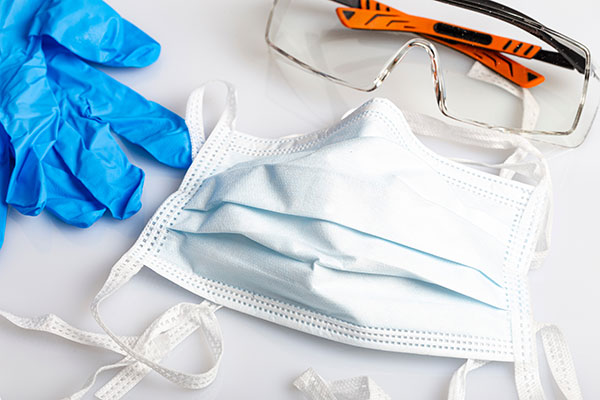
The use of PPE per CDC guidance is for a primary objective, which is to protect dental care professionals at Omega Dental Group, LLC and patients from infection. The CDC guidelines cover selection and use of Personal Protective Equipment, or PPE to ensure safe practices when donning, using and removing PPE per CDC guidelines. This goal also improves patients’ safety. According to the Occupational Safety and Health Administration, PPE is “specialized clothing or equipment worn by an employee for protection against infectious materials.”
Details of PPE per CDC guidance
According to the CDC, donning of PPE should happen before meeting with the patient. The PPE is designed to protect both the dental professional and patient by restricting direct contact and contamination of inert surfaces around the dental office. The PPE is taken off and disposed of carefully. Respirators are removed outside the treatment room. Dentists will perform proper hand hygiene after removing PPE per CDC guidance.
The sequence for donning PPE
Dental professionals wear gowns first before wearing masks or respirators. Then, they will wear protective eyewear or face shields, followed by gloves. The combination of PPE used has implications on the order of placement. It is vital to follow the protocol for PPE per CDC guidance.
There are two main physical sides of PPE – contaminated and clean. Contaminated sides are generally on the outside. This part of the PPE has or has possibly been in contact with materials, body sites or environmental surfaces that may have been inhabited by infectious organisms. Clean areas are typically inside, ties around the head or neck and back of the overalls.
The order of removing PPE per CDC guidance is gloves first, then protective eyewear and face shields. Gowns come off next, and finally, respirators or masks. PPE removal should occur close to the doorway of the treatment space, not outside. The only exclusion is respirators, which can be taken off outside of the treatment room, upon closing the door. Hand hygiene facilities should be ready immediately, which should include a sink with hand hygiene products or alcohol-based hand sanitizers.
When to use PPE per CDC guidance
PPE usage is an essential aspect of standard infection control precautions. Standard precautions assume that saliva, bodily fluids and blood from any patient is infectious. The use of PPE per CDC guidance and other infection control protocols is important to prevent transmission in dental and medical settings. The nature of the interaction between patients and dental professionals determine the use of PPE. Ideally, any procedure that is likely to generate spatter, aerosols, fluids, secretions or excretions require the use of PPE per CDC guidance, including gloves, gowns, masks, protective eyewear or face shields.
Outer protective clothing protects against contamination, especially when there is a risk of skin or cloth contamination. The same situations that require masks, gloves, and protective eyewear also need protective clothing. Examples include smocks, lab coats, aprons, gowns and clinical jackets.
PPE clothing should be resistant to fluids but not necessarily fluid-proof. Protection and comfort are both important parts of PPE per CDC guidance. The aim is to cover most of the regular work clothes. The two basic types of protective clothing are disposable and reusable, which must be changed if visibly contaminated at the end of the day.
The use of PPE per CDC guidance
The use of PPE per CDC guidance helps to protect dental practitioners adequately from exposure to infections in the dental office.
Request an appointment here: https://omegadentalgroupllc.com or call Omega Dental Group, LLC at (301) 838-9300 for an appointment in our Gaithersburg office.
Check out what others are saying about our services on Yelp: Read our Yelp reviews.
Related Posts
Traveling presents many exciting opportunities, but an unexpected dental emergency can quickly disrupt plans. Finding an emergency dentist in an unfamiliar location requires prompt action to prevent further complications. Whether experiencing severe pain, a broken tooth, or another urgent issue, knowing how to seek immediate dental care while vacationing promotes better oral health outcomes. It…
If you hide your teeth when you smile or laugh, a smile makeover can boost your self-esteem and improve your daily life. Many individuals struggle with their appearance due to minor dental issues. In turn, they may struggle with everyday social interactions and pursuing career opportunities. Fortunately, a confident smile can transform how you engage…
Seeing an emergency dentist as soon as possible is crucial when dealing with sudden dental pain, trauma, or an urgent oral health issue. Taking the right steps before the appointment can help minimize discomfort, prevent further damage, and ensure a smoother treatment process. Here are five important things to do before visiting an emergency dentist.Understanding…
Good oral health requires regular dental care and sometimes advanced treatments from dental specialists. While dentist perform preventive and standard procedures, complex dental issues may require the training and expertise of a dental specialist. Understanding this collaborative approach clarifies the referral process and emphasizes how dental teams support your long-term oral health.A specialist referral does…