Common Denture Problems and Solutions
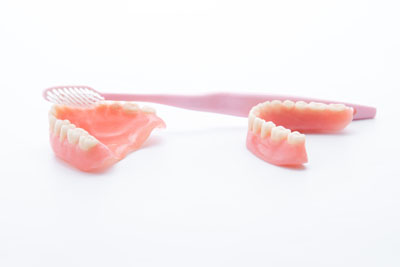
A denture is a great way to address missing teeth, and it is the most affordable option. However, dentures are not perfect devices. They tend to deal with a familiar set of issues over time. The odds of any issues arising with your denture is significantly lower when you properly take care of them.
Here is a look at some common problems that come up with dentures and how to address them:
1. Gum and mouth irritation
When you start wearing dentures, you might deal with some mouth and gum irritation. An easy way to counter this is by getting dentures that actually fit. This should not be an issue when you first get your dentures. However, your gums and jawbone will change with time, throwing off the alignment of your device.
Dentures are a lot more delicate than they look. It is best for a dentist to make any adjustments and repairs.
2. Difficulty chewing and speaking
It is not uncommon for someone with new dentures to have a difficult time pronouncing certain words. There is no need to be bummed out if that happens to be the case with you. It simply means you need some time to get used to your new prosthetic.
The best thing to do if you're having difficulty speaking is to exercise patience and speak slower than you normally do. Practice saying challenging words out loud daily. If your dentures shift while you are talking or smiling, you can get it back in place by softly biting down and swallowing. Practice this as well, so that you do not panic if it comes out of place while you are conversing with someone.
Another issue people often deal with when they first start wearing dentures is difficulty chewing. The most practical solution to this is to eat soft foods. You should also:
As you get more practice with your dentures, you will eventually regain the ability to eat pretty much anything you want.
3. Poorly secured dentures
Your dentures tend to move around in your mouth when one does not properly secure them. Fortunately, it is an issue that we can easily address by using an adhesive. Denture adhesives help to keep your dentures secure. Follow the instructions on the label of whatever adhesive you decide to go with and call us with any questions.
Keep in mind that dental adhesives are not a substitute for poorly-fitted dentures. If your dentures are not in the proper alignment, take the device to a dentist as soon as possible.
4. Infections
Wearing dentures can lead to infections like cheilitis and stomatitis. The best way to prevent infections is by properly cleaning your dentures and regularly visiting your dentist, but that is not always enough. If you end up with an infection, contact your dentist immediately.
What’s the bottom line?
Dentures are an excellent solution for missing teeth. Request an appointment in our Gaithersburg dental office here: http://rockvillesmiledesign.com if you are thinking about restoring your smile. Or call us at (301) 838-9300 for more information from Omega Dental Group, LLC.
Related Posts
Implant supported dentures are a great replacement option for those needing a solution for missing teeth. Dentists often recommend them for patients who are replacing an entire arch of teeth, whether that be the top or bottom half. Aside from tooth replacement, there are a few reasons that implant supported dentures are recommended, and improved…
Traveling presents many exciting opportunities, but an unexpected dental emergency can quickly disrupt plans. Finding an emergency dentist in an unfamiliar location requires prompt action to prevent further complications. Whether experiencing severe pain, a broken tooth, or another urgent issue, knowing how to seek immediate dental care while vacationing promotes better oral health outcomes. It…
If you hide your teeth when you smile or laugh, a smile makeover can boost your self-esteem and improve your daily life. Many individuals struggle with their appearance due to minor dental issues. In turn, they may struggle with everyday social interactions and pursuing career opportunities. Fortunately, a confident smile can transform how you engage…
Seeing an emergency dentist as soon as possible is crucial when dealing with sudden dental pain, trauma, or an urgent oral health issue. Taking the right steps before the appointment can help minimize discomfort, prevent further damage, and ensure a smoother treatment process. Here are five important things to do before visiting an emergency dentist.Understanding…